

What You'll Find Inside This Traditional Chinese Medicine Book
Compendium of Traditional Chinese Medicine brings together the essential foundations of TCM in a clear, structured format designed for both study and quick consultation. The book guides readers from the fundamental principles of Traditional Chinese Medicine to the meridian system, acupuncture points, diagnostic criteria and the Extraordinary Channels. Its concise and schematic approach makes complex information easier to navigate, whether you are studying TCM or looking for a practical reference to keep at hand.
Fundamental Principles of Traditional Chinese Medicine
Understanding Traditional Chinese Medicine begins with understanding the principles that shape its view of health, balance and the circulation of energy within the body. The Compendium introduces the theoretical foundations of TCM in a clear and accessible way, providing the framework needed to understand the subjects explored throughout the book. Particular attention is given to Qi and to the energetic relationships through which Traditional Chinese Medicine interprets the functions and balance of the human being. This foundation helps readers approach meridians, points and diagnostic patterns not as isolated information, but as parts of an interconnected system.
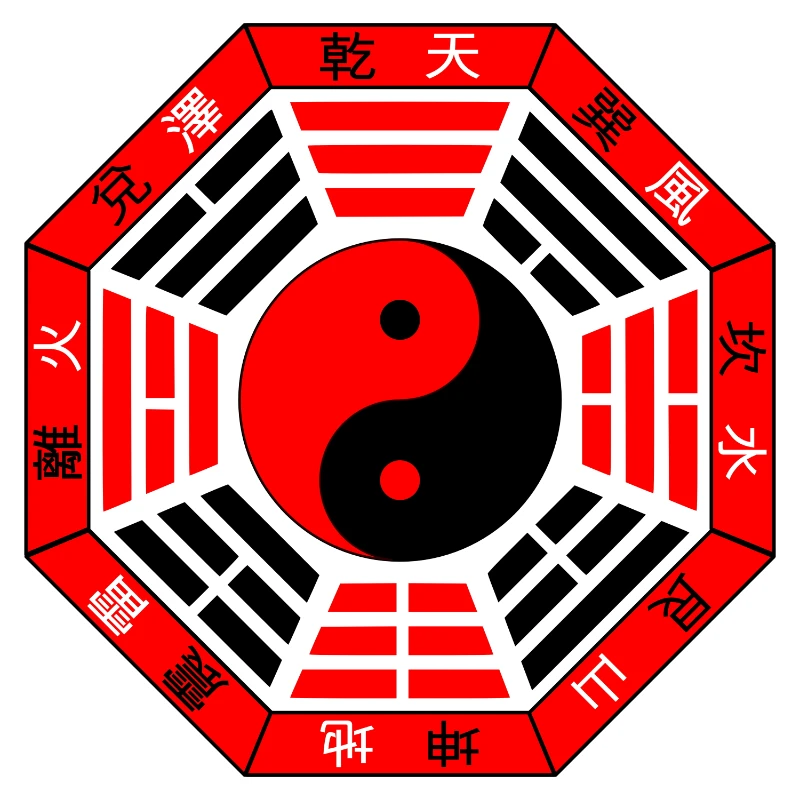
Meridians and Acupuncture Points
A substantial part of the book is devoted to the meridian system and its points, making the Compendium a practical reference for anyone studying or working with Traditional Chinese Medicine. The meridians are presented in a structured way to make their pathways, functions and associated points easier to consult. The descriptions connect individual points with their energetic roles and with the different conditions and patterns traditionally associated with them. This section is particularly useful for TCM students and practitioners, as well as professionals working with disciplines such as Shiatsu and Tui Na who need a clear overview of the meridian network and its main points.
Diagnostic Criteria and Patterns of Disharmony
Traditional Chinese Medicine does not look at a symptom in isolation. It seeks to understand the relationships between signs, symptoms and the broader pattern of imbalance they may express. The Compendium provides diagnostic criteria that help readers organise and interpret this information according to the principles of TCM. By connecting symptoms with energetic functions, meridians and patterns of disharmony, the book offers a structured framework for understanding how Traditional Chinese Medicine approaches assessment. For students, this provides an important bridge between theory and practical reasoning. For experienced practitioners, it makes the book a useful reference when reviewing concepts and correspondences.
Extraordinary Channels
A distinctive part of the Compendium is its dedicated exploration of the Eight Extraordinary Channels, an important and complex area of Traditional Chinese Medicine. The book examines the Extraordinary Channels as a system in their own right, including Chong Mai, Ren Mai, Du Mai, Dai Mai, Yin Wei Mai, Yang Wei Mai, Yin Qiao Mai and Yang Qiao Mai. Their functions, relationships and principal points are presented in a structured way, helping readers explore a subject that often requires a deeper understanding of TCM theory. This dedicated section makes the Compendium particularly valuable for students and practitioners who want to go beyond a basic introduction to meridians and develop a broader understanding of the energetic architecture of Traditional Chinese Medicine.


